
It is not uncommon in Ukraine for a bridge to collapse while still in operation - not because of bombs, but simply due to age and deterioration. The scale and frequency of such incidents are likely to increase, as thousands of bridges have reached the end of their service life. According to the National Institute for Infrastructure Development, about half of all bridges in Ukraine are more than 60 years old. At least a quarter are either unfit for operation or functioning with significant restrictions, meaning they require reconstruction either immediately or in the near future. In absolute terms, more than 6,200 of the country’s 25,600 bridges are in critical condition. Notably, the technical condition of 35% of bridges remains unknown, as they have never been inspected.
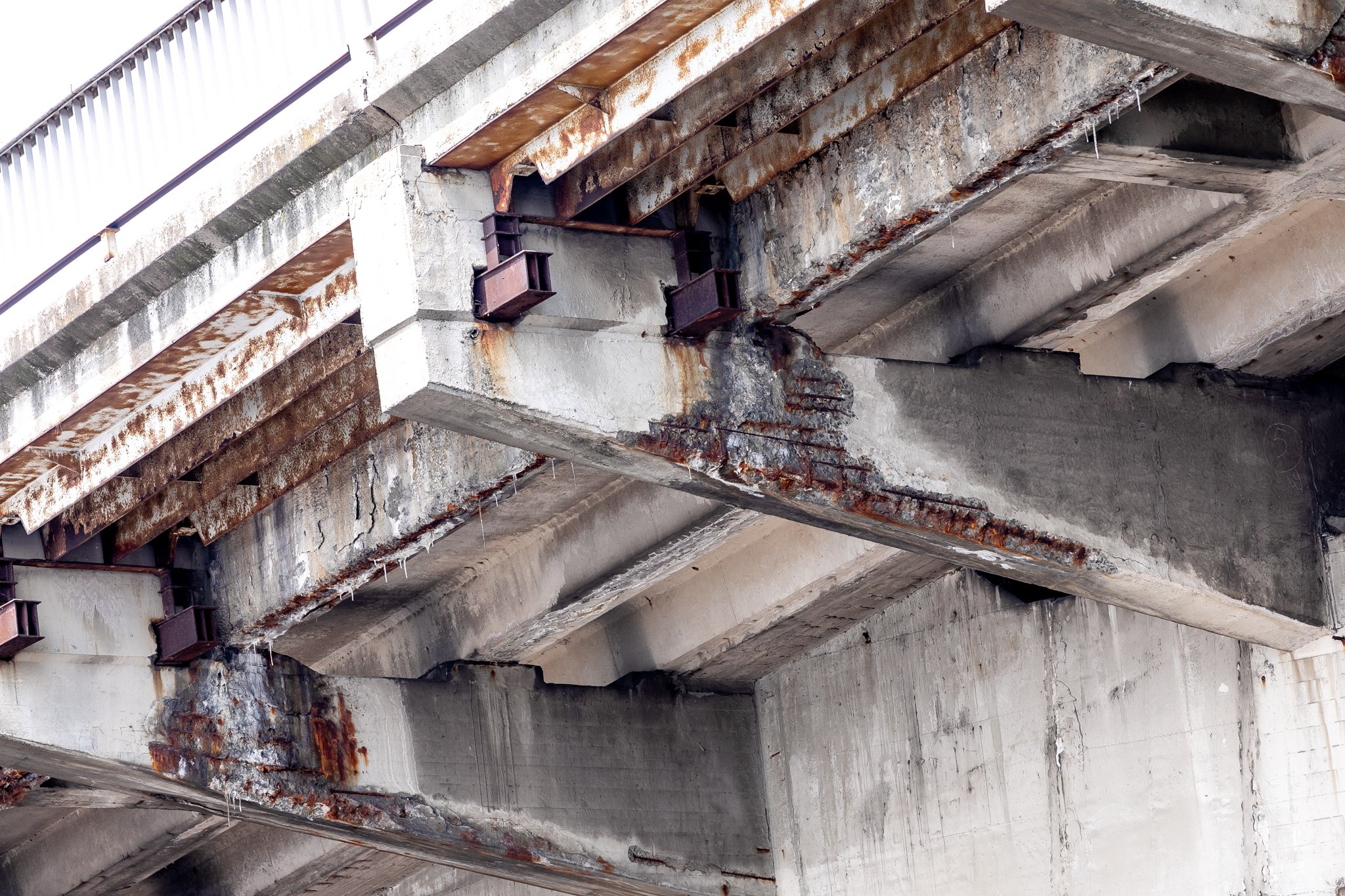
The main causes of this dire situation are the lack of proper maintenance and timely major repairs and reconstruction - in other words, a prolonged shortage of public investment in this infrastructure. Neighboring Slovakia faces a similar problem. However, its systematic strategic actions to address it are very different.
Bridge Sector in Slovakia
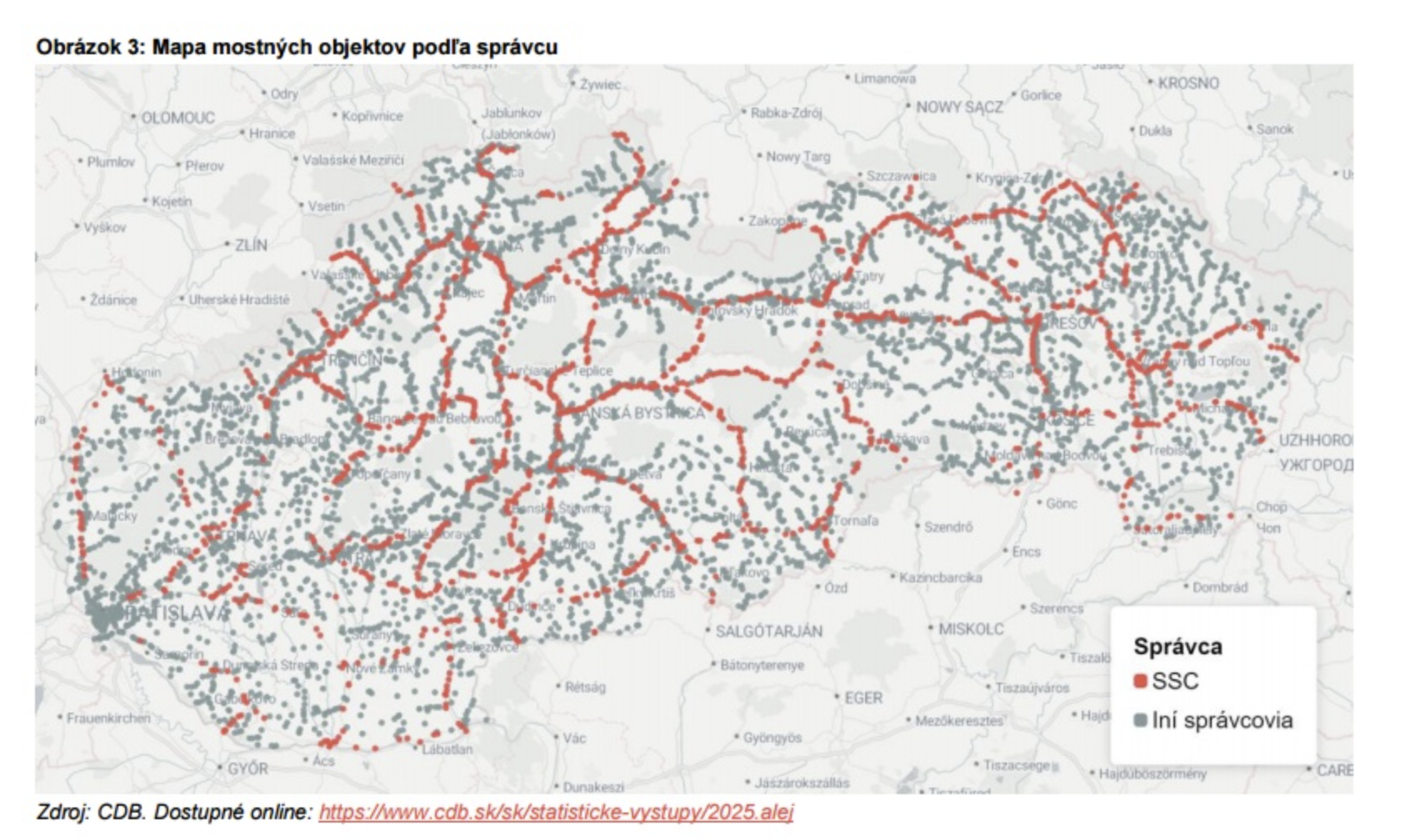
In the relatively small Slovak Republic, a massive “investment debt” has also accumulated. As a result, more than 1,000 bridges on state roads have deteriorated to unsatisfactory or critical condition.
The Ministry of Transport of Slovakia (unlike Ukraine, the country has a ministry specialized in transport), did not simply note the problem - it took action. Since budget funds are limited there as well, the government decided to seek financing from the private sector, building on previously successful public-private partnership (PPP) road projects.
For several years, the ministry prepared a large-scale PPP project called “Rapid Redevelopment of Slovak Bridges.” In 2026, the project reached the final stage, and a private partner (a consortium) is expected to be selected in the coming months.
The 370-page Feasibility Study, transparently published on the ministry’s website, provides extensive information about the sector and the project.
The Critical Condition of Bridges as a Systemic Challenge
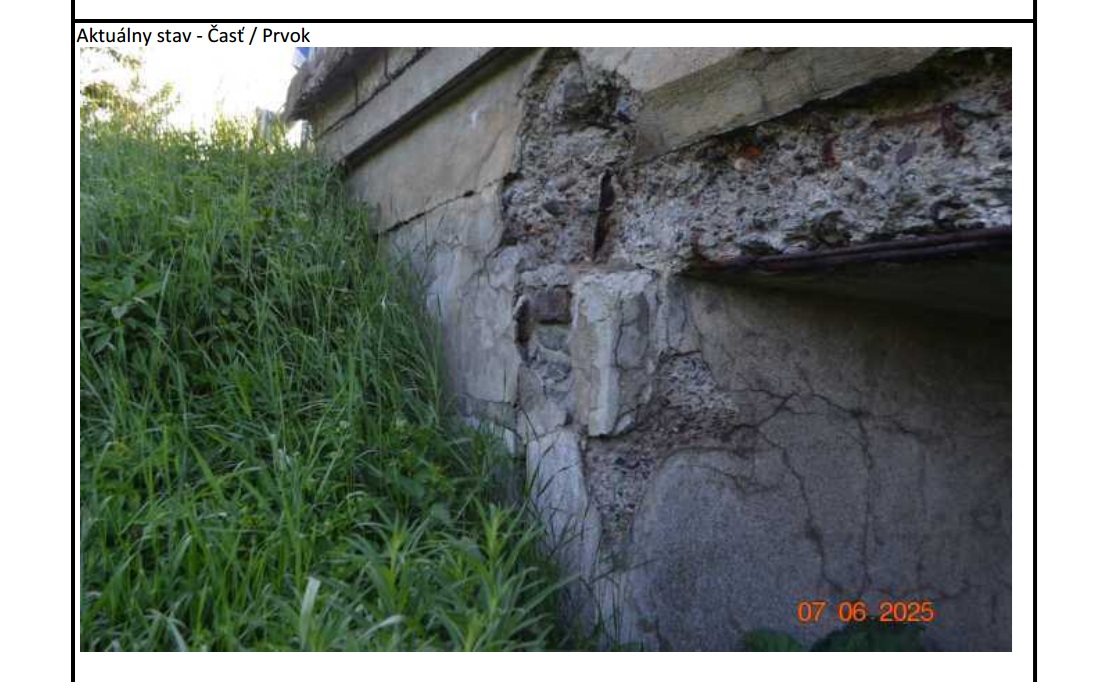
The study highlights a clear trend: over the past 20 years, the share of bridges in good condition has dropped from 63% to 28%. The project focuses exclusively on Class I roads - national transit roads of lower category than motorways. These roads typically have a 1+1 lane profile, with asphalt widths of 7–8 meters. There are about 3,300 km of such roads, forming the backbone of the country’s transport network. There are more than 1,780 bridges on Class I roads. Most were built between 1960 and 1990 and are now entering a phase of severe wear. The study found that 1,280 of them are in unsatisfactory or critical condition.
Under the traditional method, only about 13 bridges are reconstructed per year - far below the natural aging rate. Therefore, based on the study’s findings, it was decided to bundle approximately 600 bridges into a single strategic PPP project, in addition to ongoing repairs funded from the state budget.
Project Scope and Structure
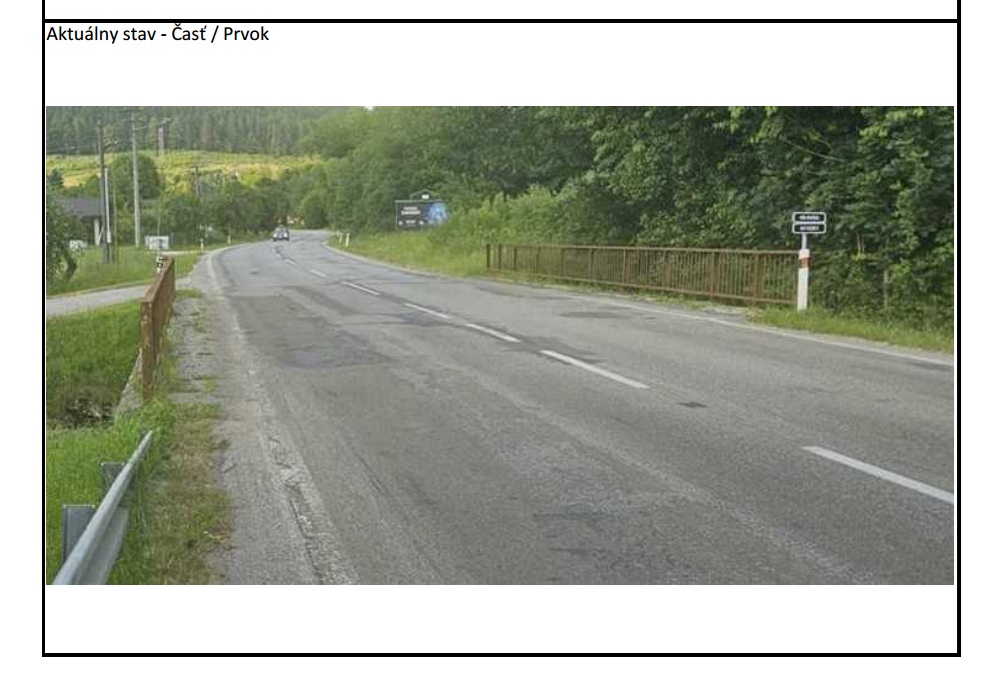
The selection process involved structured prioritization and exclusion of high-risk objects. A total of 575 bridges were identified for inclusion in the PPP project. Excluded were bridges already scheduled for reconstruction, cultural heritage bridges (landrmarks), bridges crossing railways. This minimized implementation complexity and third-party risks. Among hundreds of small and medium-sized bridges, the Ministry included one “flagship” bridge with an estimated capital investment of about €30 million.
The project uses the DBFOM model - Design, Build, Finance, Operate, Maintain - covering the entire life cycle of each bridge: design, reconstruction, financing, operation, and long-term maintenance.
The private partner will bear commercial and construction risks for 34 years: 4 years for construction and 30 years for operation. During this time, the bridges will remain state-owned but will be removed from the road agency’s balance sheet.
Financing
The financial model is structured so that the state makes no upfront payments during design or construction.
The private partner raises capital independently through equity and loans. The state begins payments only once the bridges become available and meet safety and maintenance standards.
Key macro indicators:
-
CAPEX: €672.9 million (excluding financing costs)
-
OPEX (30 years): €241.4 million
-
Life-cycle costs (LCC): €179.8 million
Total: over €1 billion in private investment. The annual availability payment (AVP) is estimated at approximately €86.3 million for all bridges combined. In Ukraine’s context, serious questions would arise regarding public debt, budget deficit, and IMF commitments.
Materials and Cost per Square Meter
Over 94% of bridges are concrete and reinforced concrete. Around 70% are monolithic or precast reinforced concrete.
Using a parametric method, the Feasibility Study estimates full bridge replacement (demolition plus new construction) at €3,000–6,500 per square meter of load-bearing structure.
-
€3,000 per sq. meter - simple reinforced concrete bridges;
-
€6,500 per sq. meter - more complex steel and truss bridges.
The price includes engineering works (3.9%); demolition and waste disposal (6.8%); additional earthworks (4.1%); site setup and overhead (6.7%). Together, these indirect costs exceed 21% of total price.
Economic Benefits for Society
The study compared traditional public procurement with the PPP model. According to calculations, over 550 critical bridges could be reconstructed within 5 years. The PPP model is 78.8% more beneficial (Value for Money, VfM) than traditional budgeting. Net present value savings: €892 million. Savings result from economies of scale, standardized solutions, faster return to service, and transfer of material price risks to the private partner. The calculation model by which the authors arrived at such an impressive 78% Value for Money (VfM) figure is best examined directly in the published original source
The study also estimated societal losses when bridges are closed. Closing one average Class I bridge costs society about €50 million per year due to time losses, fuel consumption, and emissions. Tax effects are also significant: €185.7 million in additional tax revenue from the consortium and contractors.
Parallels with Ukraine
Complex problems require complex solutions. Slovakia’s megaproject is not yet implemented, and actual outcomes may differ from projections. Nevertheless, it demonstrates how emergency bridges can be renewed decisively, massively, efficiently, and transparently - even under tight budget constraints.
Ukraine could hope for unlimited Western funding to rebuild 1,500+ critical bridges through traditional public procurement. Or it could realistically begin preparing alternative solutions, including private investment.
The logic of the Slovak project not only solves infrastructure problems but also “recovers lost time” and ensures prudent public spending (through long-term repayment of investments). Private consortia have no incentive to inflate bridge dimensions or overuse materials, since the state pays according to a predetermined formula. The private partner assumes key risks - inflation, supply chains, deadlines, workforce. This enables unprecedented scale in design and construction.
Not a Panacea
PPP is not a magic pil. It is a tool. In incompetent or malicious hands, even a good tool can cause harm. In competent hands, it can save lives. Ukraine must consider all possible instruments. Private capital should be part of the arsenal. Redevelopment of hundreds od small and simple bridges might be a suitable application. Perhaps even new bridges or tunnels across the Dnipro could be built as PPPs. Much depends on contract architecture, procedures, and documentation quality. These details determine whether PPP becomes an effective mechanism or a failed imitation.
Conclusions
For Ukraine, facing reconstruction challenges far greater than its neighbors, the example of rebuilding 600 bridges through PPP is highly interesting.
Key questions are: Does new Ukrainian legislation allow similar project design? Will the private sector show interest? Do government agencies have the capacity and motivation to implement such projects without corruption? Is it realistic without a dedicated Ministry of Transport? These questions deserve public discussion - in media, offices, and conferences like Ukraine Recovery Conference and Rebuild Ukraine.
Ukraine’s 2010 Law “On Public-Private Partnership” underwent 13 amendments, was eventually deemed ineffective, and replaced in 2025 with a new law. Its sponsor, Yulia Svyrydenko, expressed hope that PPP would “finally start working” and attract up to $1 billion in investment in the coming years.
Indeed, in 15 years Ukraine has not produced a single road-sector PPP project. Ukraine does not have to copy Slovakia. But the scale of thinking and decisiveness in infrastructure renewal deserves attention and respect. The problem will not solve itself. Complex problems require complex solutions - and action.
Decisions must be made quickly, with transparency and aligned with EU approximation commitments. For bridges, this means adopting and applying Eurocodes (EN standards) instead of national construction norms, implementing real Feasibility Studies instead of outdated Soviet-style “Technical and Economic Justification,” and running the whole endavour internationally, inviting stronng Ukraine-EU private consotria. We can only hope that movement in this direction begins under the new law, and with Yulia Svyrydenko at the Cabinet steering wheel.